


Warm Up
|
Ask a parent when their young athlete might start thinking about college recruiting, and you might hear, “Probably junior or senior year.”
The reality? Recruiting exposure can start much earlier.
The exact timeline varies by sport, school, level of competition, and individual athlete. But college coaches can begin identifying and evaluating athletes years before they actually step onto a college campus.
For many families, the answer is long before the recruiting process becomes official. Instead of asking, “When does recruiting start?” families should be asking: “When should my athlete start preparing?”
That longer runway creates a significant opportunity for youth athletic performance training. Families aren't looking for help for one season. They're looking for coaches and training partners who can help their athletes develop year after year.
$40 BILLION
Estimated annual spending by U.S. families on youth sports activities
Source: Stax / Youth Sports: Expanding Value in a Growing Market
+46%
Increase in primary-sport spending since 2019.
Source: Aspen Institute Project Play, 2025
$1,016
Average annual spending on a child's primary sport in 2024.
When secondary sports and travel are included, total annual spending per child is closer to $1,500. Families are investing in coaching, equipment, camps, competition, travel—and increasingly, training designed to help their young athletes get better at their sport.
At D1 Training, we’ve been serving that demand and leading the way in youth performance training for more than two decades.
So what does that opportunity look like for a D1 franchise owner?
Here are four things to know about the youth athlete development market, and why D1 is already positioned to lead it:
1. The Youth Sports Market Is Growing Fast
U.S. families are already spending billions of dollars on youth sports every year, and that spending continues to rise. And families are spending more than they were just a few years ago.
$1,016
Average annual spending on a child's primary sport in 2024.
+ 46% increase in spending
Per child since 2019
Source: Aspen Institute's Project Play, 2025
Add secondary sports, travel, equipment, camps, and other expenses, and total annual spending per child can approach $1,500.
And athletic performance training is part of that larger ecosystem.
$27.8 BILLION
Estimated value of the global sports-training market in 2023
$50.7 BILLION
Projected value by 2035
Source: Nielsen / Youth Sports Business Report, 2026
Parents want their athletes to get stronger. More confident. Better prepared for the next level. And they're willing to invest to make it happen.
For prospective D1 Training franchise owners, that's the opportunity:
✔️ A growing market
✔️ A motivated customer base
✔️ A service that directly connects to what families want for their kids
D1 Training has been serving that market for more than two decades, leading the way as youth performance training becomes a bigger part of the sports experience.
2. D1 Is Already Serving More Than 100,000 Scholastic Athletes System-wide.
D1 isn't trying to figure out whether youth performance training is a market.
We already know it is.
100,000+
scholastic athletes served across the D1 system annually
5 MILLION
cumulative athlete visits to D1 system-wide in the past year
7X GROWTH
in system-wide athlete visits to D1 since 2021
Source: D1 Training / PR Newswire, 2026 Figures reflect aggregate, system-wide totals across all D1 locations and are not representative of the performance of any individual location.
That's not a trend we're watching from the sidelines. It's a market D1 has been serving—and leading—for more than two decades.
D1 was founded on a simple idea: everyday athletes deserve access to the same caliber of coaching, training, and environment that Division I athletes experience.
Families are investing in performance. Young athletes are showing up to put in the work. And D1 has built the experience, curriculum, and coaching model to meet that demand at scale.
For a prospective D1 franchise owner, that history is the starting point: you're joining a brand with two decades of experience building and refining this model — not one you'd have to build from scratch.
See the Numbers for Yourself.
There’s a lot of momentum behind youth sports and athletic training. But don’t take our word for it. See the data from D1 Training members and families for yourself.
Download the free Youth Sports Training & Conditioning Market Report for the latest industry trends and insights.
3. College Recruiting Starts Early. Athlete Development Starts Earlier.
If you wait until high school to start developing an athlete, you may be too late.
The athletes who stand out don’t get there overnight. Speed, strength, movement, confidence, discipline, and good training habits take years to develop.
That's why more families are investing in performance training before recruiting ever enters the picture.
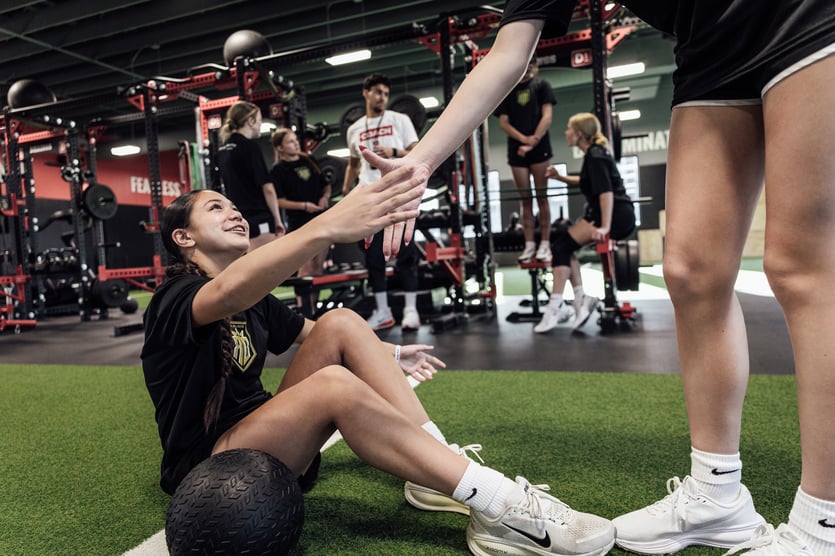
A 10-year-old is building a foundation. A 13-year-old is developing strength and movement. A 16-year-old is preparing for the demands of high-level competition.
The recruiting conversation may start in high school. The work starts much earlier.
We’ve built D1’s Scholastic Training model around that progression:
- Rookie: Ages 7–11
- Developmental: Ages 12–14
- Prep: Ages 15–18
Each stage is designed for the athlete's age and level of development, with 54-minute coach-led sessions focused on building strength, speed, conditioning, movement skills, and confidence. Source: D1 Training / PR Newswire, 2026
For a D1 franchise owner, that means you're not just training athletes for where they are today. You're helping them prepare for what's next.
4. The Opportunity Goes Beyond the Athlete.
At D1, performance is only part of the picture. We train athletes to get stronger, faster, and more confident. But we also believe the work they do in the gym should shape who they become outside of it.
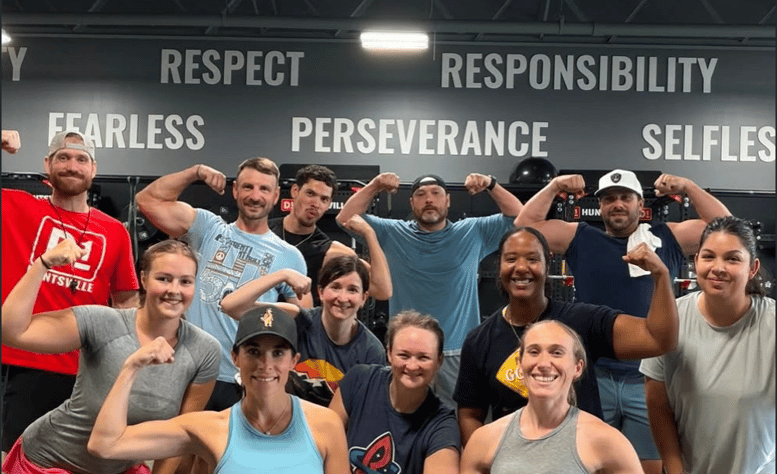
Respectful. Determined. Confident. And full of integrity.
These aren't just words on a wall. They're character traits athletes practice every time they show up, listen to a coach, push through something difficult, encourage a teammate, or choose to come back and do the work again.
And they're not just values we want for our athletes. They're the values D1 owners believe in, live out, and want to bring into their communities.
For a franchise owner, that means you can build a business around more than performance. You can build a place where the values you care about become part of the culture, and where young athletes get to practice them every day.
An athlete can walk through your doors at 10 and progress from Rookie to Developmental to Prep, growing stronger and more capable along the way. But they're also growing in confidence, character, discipline, and resilience.
And you get to be part of that. That's an opportunity with an impact that reaches far beyond the walls of a training facility.
You Don't Have to Bet on the Future. D1 Is Already There.
There's a lot of excitement around the growth of youth sports. But this isn't a market waiting to happen. It's already here. The athletes who will compete at the next level are already training for it. And the families investing in their development are already spending billions to help them get there.
Here’s the good news: you don't have to enter this market without a playbook. D1 Training has spent more than two decades developing the curriculum, age-specific programming, coaches, and facilities to serve these athletes and their families.
If you're ready to build a business around performance, character, and community impact, it's time to get in the game.
Request more information about becoming a D1 Training franchise owner today.